
Kilbeggan Distillery. An Irish Whiskey Connoisseur Experience
Kilbeggan Irish Whiskey Distillery Connoisseur Experience
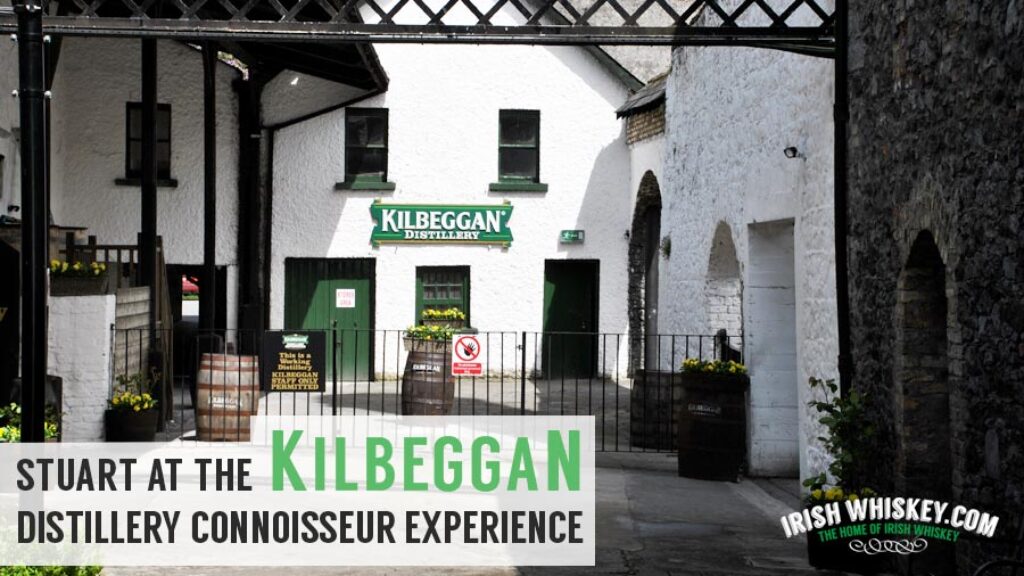
Kilbeggan is one of those old Irish distilleries that I have always looked forward to visiting. Part of that is down to the history of the place. It is not just an old name revived for the modern whiskey boom, but a real old distillery, one that seemed to have been left sitting there after somebody closed the door in the mid to late 1950s and walked away. When you visit Kilbeggan, you are not just looking at the story of Irish whiskey on a wall. You are walking into a distillery that gives you a sense of what the old world of Irish distilling must have looked and felt like before everything became modern, automated, and stainless-steel.
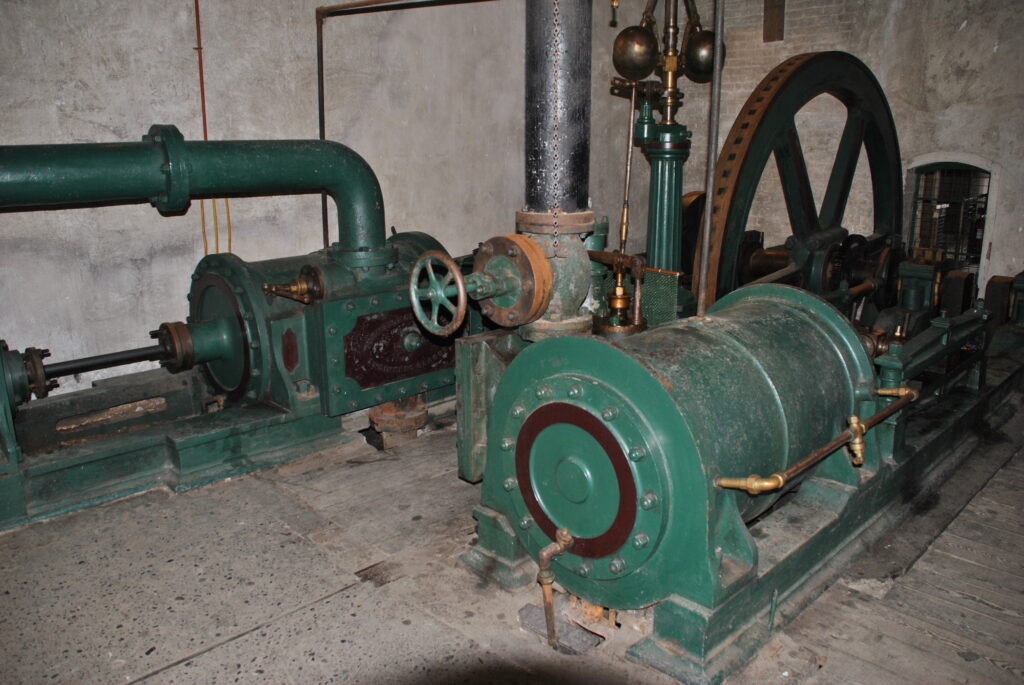
That is what makes Kilbeggan one of the best additions to the Irish Whiskey Trail. It has history, but more than that, it has atmosphere. The place still feels connected to the era when distilleries were powered by water, backed up by steam, and built to do a job rather than to impress visitors. The River Brosna runs by the distillery and drives a waterwheel, while the old steam engine was there to take over when water levels were low. That alone gives Kilbeggan a character that is hard to match anywhere else in Ireland.
The distillery itself dates back to 1757, and although distilling ceased there in the mid to late 1950s, production returned in 2007. What is interesting about Kilbeggan is that the years of silence have somehow preserved the place. It does not feel over-restored or sanitised. Instead, it still carries the texture of an old working distillery, and that comes across in everything from the buildings to the machinery to the layout of the site itself.
I recently had the opportunity to attend one of the first Kilbeggan Distillery Connoisseur Experience events, hosted by John Cashman, Cooley’s Global Brand Ambassador, and it was an excellent way to see the distillery at close quarters. The day began with Irish coffee and a talk on the history of Irish whiskey and of Kilbeggan itself, before we were brought through the museum and distillery on a much more personal and detailed tour than the standard visitor experience.
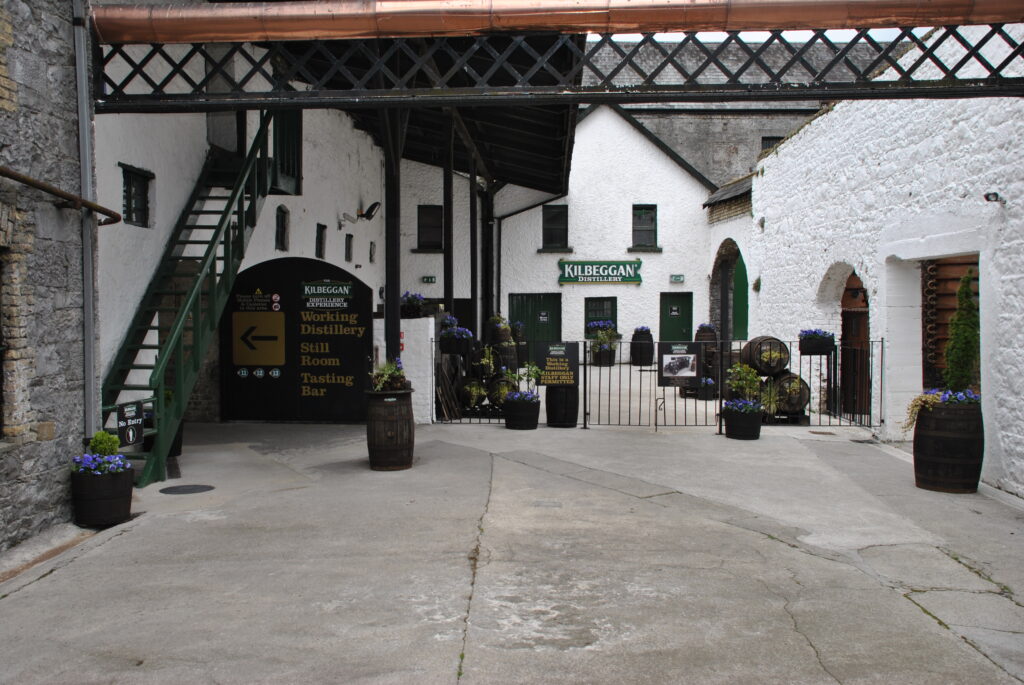
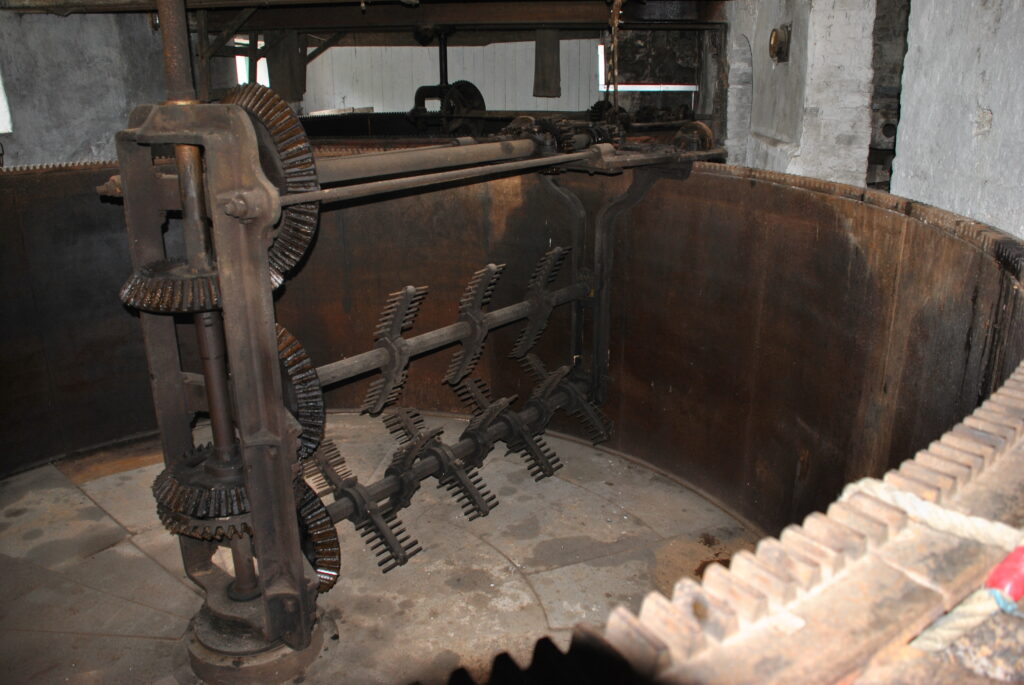
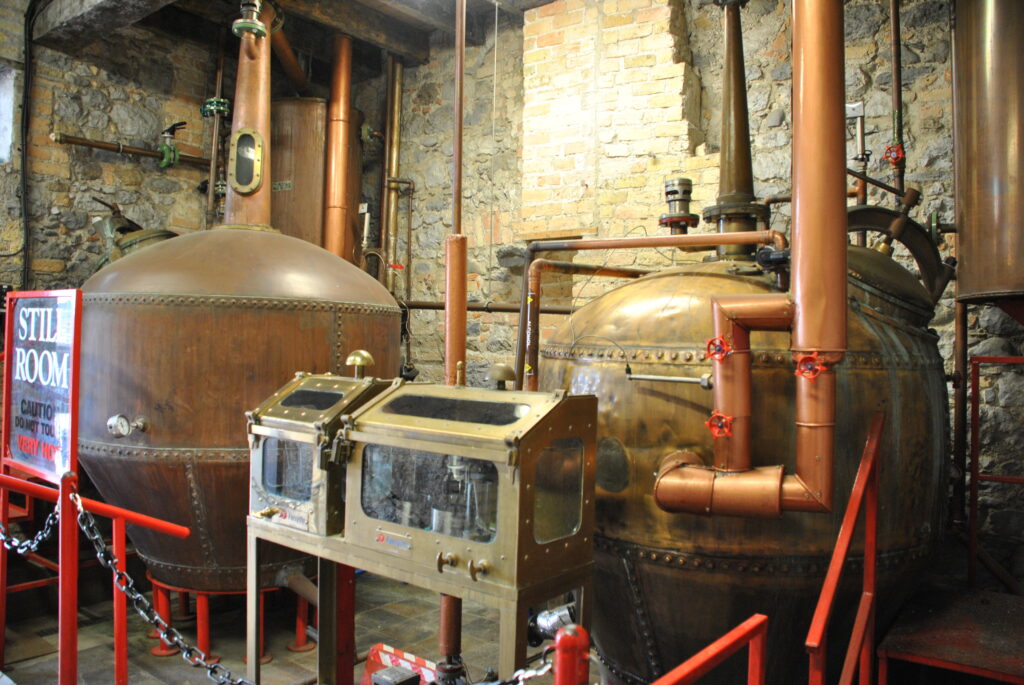
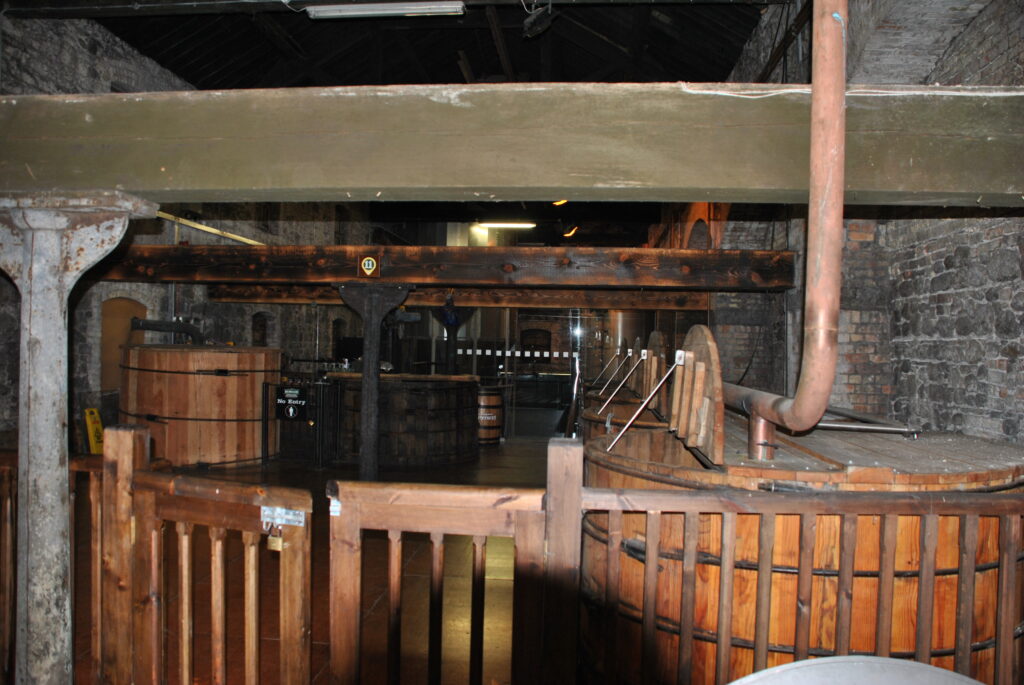
That format suited Kilbeggan particularly well. Once you are personally taken through the site and given time to stop and take it in, the distillery speaks for itself. You can still see the old mechanical life of the distillery in the waterwheel, the steam engine, the stills, the old mash and wash equipment and the fermentation vessels. It gives a much clearer sense of how whiskey was once made in Ireland than most distillery tours do.
One of the more interesting parts of the day was the chance to taste the worts and the newly distilled spirit in the micro-distillery. That in itself would have made the visit worthwhile, but the highlight for many people will probably be the opportunity to fill your own bottle of cask-strength whiskey. That took place in the old, black-arched bonded warehouse, one of the most unusual whiskey warehouses in Ireland.
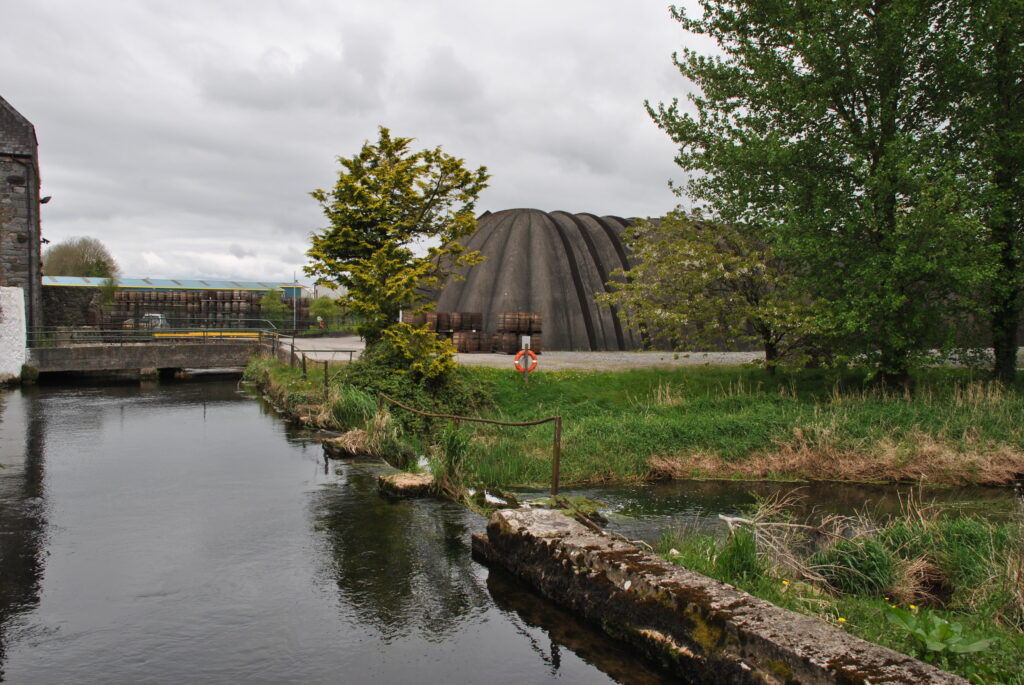
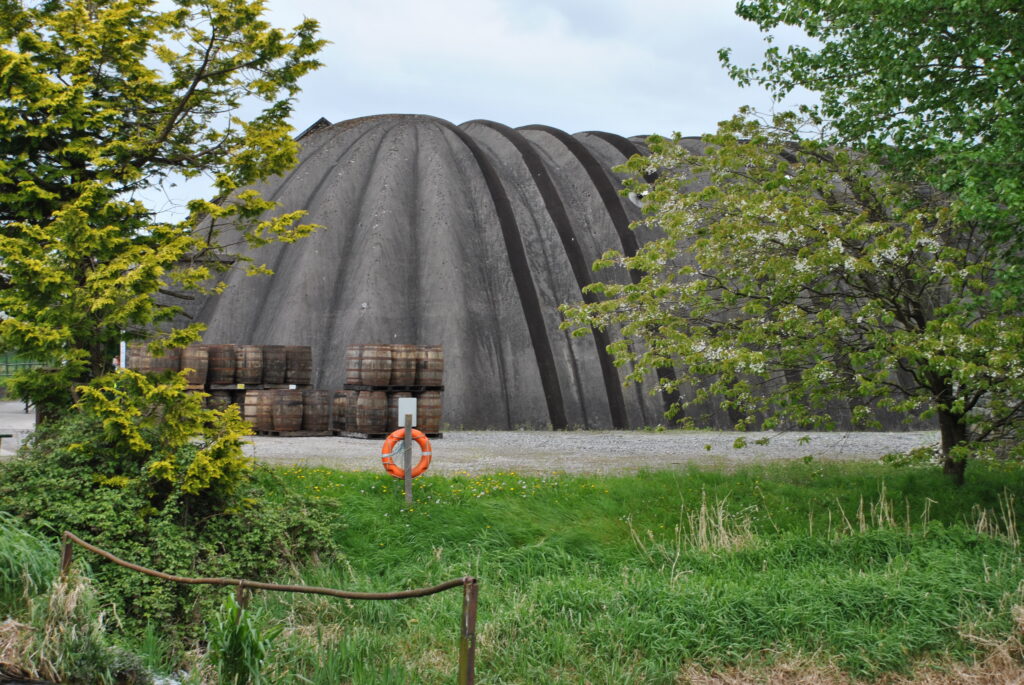
That warehouse is worth mentioning in its own right. It was built using the Ctesiphon system associated with James Hardress de Warrenne Waller, an Australian (Hobart, Tasmanian-born) engineer of Irish parentage who returned to Ireland to study at Queen’s College, Galway, and later at University College Cork. Waller is said to have taken his inspiration from the ancient great arch at Ctesiphon in Mesopotamia, in modern-day Iraq, during his Great War service, and to have developed a building system based on the strength of the inverted catenary arch. In simple terms, timber arches were erected first, with hessian or jute fabric stretched between them. Concrete was subsequently poured onto the jute material, enabling the formation of the building’s shell as it set on the corrugated substrate between the structural frames. The result was a structure that was strong, quick to erect, and economical in its use of materials, with timber formwork capable of multiple reuses. Waller worked on the system during the war years and patented it soon after. His system was widely used in rebuilding storehouses and hangars in post-war Britain, short of the steel required for reinforced concrete. Towards the end of his life, Seagram Scotch Whisky bought out the patent for Waller’s Ctesiphon building system in return for an annual pension. To my mind, the black arched warehouse at Kilbeggan remains one of the finest surviving examples of his work.
Drawing whiskey from the cask by hand with a copper valinch or whiskey thief and bottling it on the spot was one of those moments that gives a visit a real sense of place.
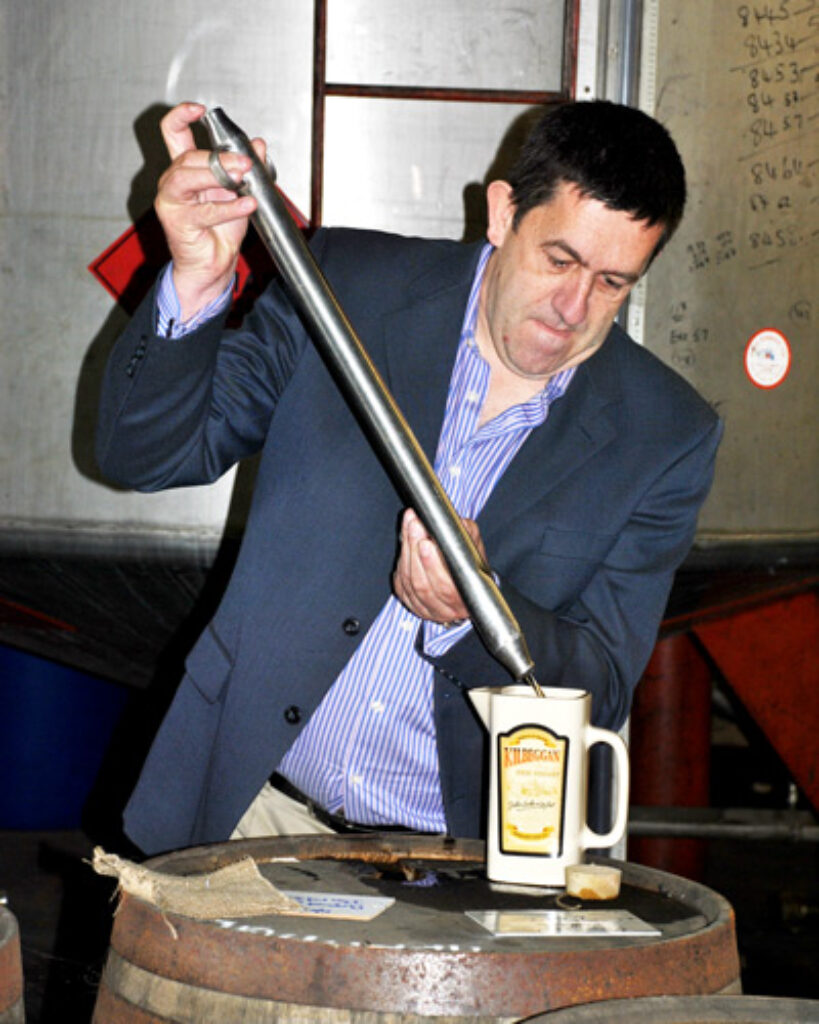
The day finished with a private lunch and tasting with John Cashman, who also shared some whiskeys from his own collection. That personal element made all the difference. It did not feel like a choreographed corporate experience. It felt like a small group of whiskey enthusiasts being given the chance to spend proper time in one of the most interesting distillery sites in the country.
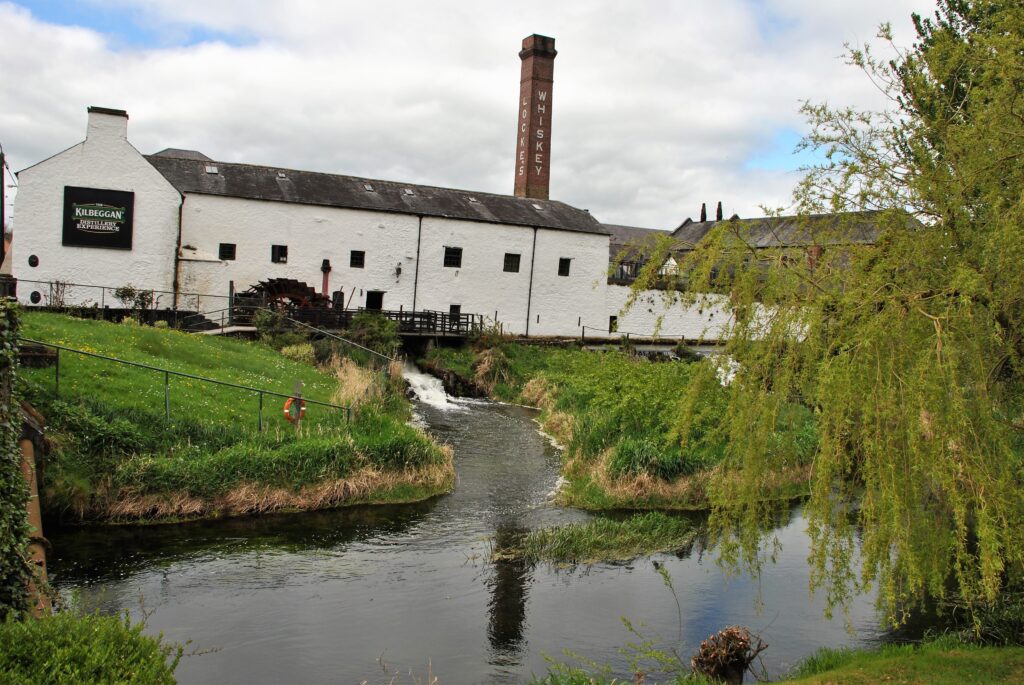
Kilbeggan is well worth a visit in its own right, but this connoisseur experience adds another layer and gives you the chance to see the place in a more intimate, detailed way than usual.
If you would like to experience the same personalised whiskey connoisseur experience that I had, John tells me he plans to run further dates in the near future: Friday 6 June, Friday 4 July, Friday 1 August, and Friday 5 September. Booking can be made through the Kilbeggan Distillery Visitor Centre website at www.kilbegganwhiskey.com


Stuart McNamara (@WhiskeyBlogger) is an international Whiskey Blogger who edits several International Whisk(e)y and Whiskey Tourism sites including IrishWhiskey.com and WhiskeyBlogger.com. Holding a Post Graduate Diploma with Distinction in the Science of Brewing and Distilling from Technological University Dublin, he has served as Chair of the Irish Craft And Artisan Distilleries Association (ICADA) and is an elected member of the National Council of ISME, the Irish SME Association. He is also the creator and editor of International Irish Whiskey Day which is celebrated on 3/3 or 3rd March each year and had a global social media reach in 2021 of over 20 Million. He is a Director of Portmagee Whiskey and has also acted as both a brand and product development consultant to several other Irish Whiskey and other spirits producers.